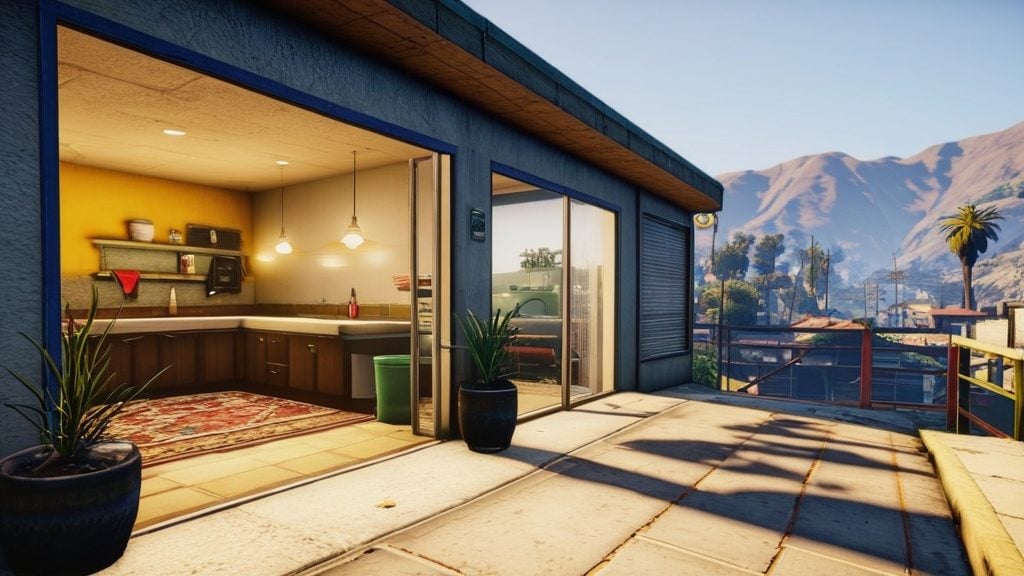
Building a genuinely realistic FiveM roleplay experience is a multifaceted endeavour, requiring meticulous planning, robust technical implementation, and a dedicated community. It transcends merely installing scripts; it’s about crafting an immersive world where player actions have tangible consequences, and everyday life mirrors the complexities of the real world. For FiveM server owners, developers, and roleplay community leaders, the pursuit of realism is a continuous journey, demanding a keen understanding of both game mechanics and human psychology.
The bedrock of any realistic FiveM roleplay server lies in its underlying infrastructure. Without a stable, performant, and well-designed technical framework, even the most innovative roleplay concepts will falter under the weight of latency, bugs, and a poor user experience. London Studios, with its expertise in premium FiveM resources and optimized server solutions, understands that a realistic experience begins long before a player connects. Click here to Shop Now for exclusive deals and offers.
Choosing the Right Server Host and Configuration
Server hosting is often the first, and most critical, technical decision. Low-cost, shared hosting solutions, while tempting for new server owners, invariably lead to performance bottlenecks, especially as player counts and resource complexity increase. A realistic server, by its nature, demands significant processing power and memory to manage numerous scripts, database interactions, and player synchronizations.
Considerances for hosting include:
- Dedicated vs. Virtual Private Server (VPS): Dedicated servers offer maximum performance and control but come at a higher cost. VPS solutions provide a good balance for many growing servers, offering dedicated resources within a virtualized environment.
- Geographic Location: Server location directly impacts player latency. Opting for a host geographically close to the majority of your player base is paramount for a smooth, lag-free experience. High latency can break immersion as actions become delayed and desync issues proliferate.
- Scalability: As your community grows, your server’s demands will increase. Choose a host and an infrastructure that allows for seamless scaling of CPU, RAM, and storage without requiring a complete server migration.
- Operating System: Linux distributions (e.g., Ubuntu, Debian) are generally preferred for FiveM servers due to their performance advantages, stability, and lower resource overhead compared to Windows Server. Familiarity with command-line interfaces is beneficial for maintenance and optimization.
- DDOS Protection: Robust Distributed Denial of Service (DDoS) protection is non-negotiable. Malicious attacks can cripple a server, disrupting roleplay and eroding community trust. Ensure your chosen host provides adequate mitigation strategies.
Database Management and Optimization
A realistic FiveM server operates as a complex ecosystem with persistent data being central to its functionality. Player inventories, bank balances, character details, vehicle ownership, property records, and faction data are all stored in databases. MySQL and MariaDB are the most common choices.
Key considerations for database management include:
- Database Schema Design: A well-structured database schema is crucial for performance and data integrity. Poorly designed tables, redundant data, and a lack of proper indexing can lead to slow queries and, consequently, server lag. London Studios advocates for clear, normalized schemas that minimize data duplication and facilitate efficient data retrieval.
- Indexing: SQL indexes are analogous to a book’s index, allowing the database to quickly locate specific rows without scanning the entire table. Proper indexing on frequently queried columns (e.g., player identifiers, vehicle license plates) significantly boosts query performance. However, over-indexing can negatively impact write operations.
- Regular Backups: Data loss is catastrophic for a roleplay server. Implement automated, regular database backups to remote storage. Test these backups periodically to ensure data restorability. This acts as an insurance policy against corruption, hardware failure, or accidental deletions.
- Optimization Queries: Identify and optimize slow database queries. Tools like
EXPLAINin MySQL can help in understanding query execution plans and identifying bottlenecks. Rewriting inefficient queries can dramatically improve server responsiveness. - Connection Pooling: For servers with a high number of concurrent players and frequent database interactions, implementing connection pooling can reduce the overhead of establishing new database connections for every request.
Resource Selection and Performance Tuning
The choice and configuration of FiveM resources (scripts) are pivotal. A realistic server inherently requires more complex scripts to manage intricate systems like economy, crafting, law enforcement, and medical services.
- Resource Auditing: Before deploying any resource, rigorously audit it for performance impact. Look for scripts that are well-written, use optimal programming practices, and avoid unnecessary loops or database calls. London Studios prioritizes performance optimization in all its premium resources, understanding that bloat can be a silent killer of immersion.
- Profiling: Utilize FiveM’s built-in profiling tools (e.g.,
resmon) to identify resource hogs. If a script consistently consumes excessive CPU or memory, it’s a candidate for optimization or replacement. Remember, many small inefficiencies can cumulatively create significant lag. - Static vs. Dynamic Loading: Consider loading resources dynamically when they are needed, rather than loading everything at server startup. For example, a bank robbery script only needs to be active when a robbery is in progress, not continuously.
- Client-Side Optimization: Don’t neglect client-side performance. Resources that push excessive data to clients or involve complex rendering can cause frame rate drops. Optimize textures, models, and particle effects where possible.
- Garbage Collection: Lua, the scripting language for FiveM, uses garbage collection. While largely automated, poorly written scripts can create excessive temporary objects, leading to frequent garbage collection cycles and potential stutters.
Crafting a Living World: Economy, Laws & Lore
Realism in FiveM extends beyond technical performance; it permeates the very fabric of the virtual society you are building. A living world requires a nuanced economy, a fair and comprehensive legal system, and a rich, evolving lore that players can inhabit.
Developing a Dynamic and Sustainable Economy
A realistic economy is the heartbeat of a roleplay server. It provides purpose, drives player interaction, and creates a sense of progression. A poorly designed economy, however, can lead to inflation, deflation, or a lack of meaningful goals.
Essential components of a dynamic economy include:
- Player-Driven Market: Encourage player-to-player trade and establish a market where prices fluctuate based on supply and demand. Scripts for player-run stores, auction houses, and black markets contribute to this.
- Diverse Income Streams: Offer a wide array of legal and illegal professions, each with varying income potential and risk levels. This ensures that players with different roleplay preferences can find a niche and contribute to the economy. Examples include farming, fishing, trucking, taxi services, law enforcement, medical services,
- Resource Scarcity and Production: Implement resource collection, crafting, and manufacturing systems. For example, raw materials must be gathered, processed, and then used to create finished goods. This creates interdependencies between different economic sectors.
- Money Sinks and Inflation Control: Integrate mechanisms to remove money from the economy to prevent runaway inflation. Property taxes, vehicle maintenance costs, business licenses, utility bills, and luxury item purchases serve as effective money sinks. London Studios’ advanced property and business scripts often include these features by design.
- Governmental Influence: Introduce a governmental body that can influence the economy through taxes, subsidies, and regulations. This adds a layer of political roleplay and economic complexity. For example, raising import tariffs could encourage local production.
Establishing Comprehensive Legal and Justice Systems
A realistic society requires a robust legal framework and a fair justice system. This provides structure, defines consequences for actions, and creates a compelling environment for both law-abiding citizens and criminals.
Key elements of a justice system include:
- Detailed Penal Code: Develop a comprehensive list of crimes with clearly defined penalties, including fines, imprisonment durations, and potential asset forfeiture. This provides clarity for both law enforcement and the general populace.
- Functional Law Enforcement: Implement sophisticated law enforcement scripts that allow officers to respond to calls, investigate crimes, arrest suspects, and process them. This includes features like evidence collection, fingerprinting, and warrant systems. London Studios’ police CAD/MDT systems are designed to facilitate this level of intricate roleplay.
- Court and Judicial Proceedings: Introduce a judicial system where players can act as judges, prosecutors, and defense attorneys. This allows for trials, appeals, and fair sentencing, adding a significant layer of depth to criminal roleplay.
- Prison System: A fully functional prison with activities, rehabilitation programs, and the potential for escape attempts provides meaningful consequences for players convicted of crimes. This isn’t just about ‘jail time’; it’s about a persistent consequence that shapes character arcs.
- Civil Law: Beyond criminal offenses, consider implementing aspects of civil law where players can sue each other for damages, contract disputes, or property disagreements. This adds another dimension to player interaction and conflict resolution.
Weaving Rich Lore and Backstories
Lore is the narrative backbone of your server. It provides context, gives meaning to the world, and allows players to immerse themselves more deeply by understanding the ‘why’ behind the ‘what.’
- Server History: Develop a fictional history for your server’s setting. How did the city come to be? What significant events have shaped it? This history can influence current factions, political tensions, and economic conditions.
- Factions and Organizations: Create established lore for both legal and illegal factions within your server. What are their goals, rivalries, and internal dynamics? This encourages players to join or interact with these groups, enriching the roleplay.
- Character Backstory Integration: Encourage players to develop detailed backstories for their characters that tie into the server’s lore. Provide tools or forums where players can share and elaborate on their character’s origins and motivations.
- Environmental Storytelling: Use the game world itself to tell stories. Place subtle clues, graffiti, historical markers, or unique landmarks that hint at the server’s lore. For instance, a derelict building could have a plaque explaining its historical significance or a memorial to a past server event.
- Evolving Narrative: Ensure the lore isn’t static. Allow major player-driven events, faction conflicts, and community decisions to organically shape and update the server’s ongoing narrative. This makes the world feel alive and responsive to player actions. A server with static lore quickly becomes a museum.
The Human Element: Community, Rules & Moderation

Even with a technically perfect, richly-lobed server, realism will crumble without a dedicated, mature community guided by clear rules and supported by effective moderation. The human element is the ultimate arbiter of realism in roleplay.
Cultivating a Mature and Dedicated Community
A server is only as good as its players. Attracting and retaining a community that values deep, realistic roleplay is paramount. This isn’t just about numbers; it’s about quality.
- Strict Whitelisting: Implement a rigorous whitelisting process that requires applicants to demonstrate an understanding of roleplay principles, server rules, and character development. This acts as a filter against ‘trolls’ and those not genuinely interested in realistic roleplay. London Studios provides the infrastructure for complex whitelisting systems.
- Community Engagement: Foster strong community engagement through forums, Discord servers, and regular in-game events. Encourage players to interact out-of-character (OOC) to build camaraderie and address issues.
- Roleplay Education: Provide resources and guides for new players on how to engage in realistic roleplay. Offer examples of good roleplay, common pitfalls, and character development tips. Some servers offer mentorship programs where experienced players guide newcomers.
- Feedback Mechanisms: Create accessible channels for players to provide feedback on server rules, scripts, and overall server direction. A responsive server administration builds trust and demonstrates that player input is valued.
- Discouraging Powergaming and Metagaming: Actively educate the community on the detrimental effects of powergaming (forcing outcomes through unrealistic actions) and metagaming (using out-of-character information in-character). Develop clear consequences for these behaviors.
Enforcing Clear and Consistent Rules
Rules are the boundaries that define what is acceptable within your realistic roleplay environment. Without them, chaos ensues, and realism rapidly deteriorates.
- Comprehensive Rulebook: Develop a detailed, unambiguous rulebook that covers all aspects of server conduct, roleplay standards, and permissible actions. Categorize rules clearly (e.g., General Rules, Roleplay Rules, OOC Rules).
- Consequence Scale: Establish a clear escalation of consequences for rule breaches, from warnings to temporary bans to permanent bans. Transparency in enforcement builds trust and reduces perceived favoritism.
- Staff Training: Ensure all moderation staff are thoroughly trained in understanding and applying the rules consistently. Inconsistency in rule enforcement is a major source of player frustration and cynicism.
- “Common Sense” Clause: While detailed rules are crucial, a “common sense” clause can also be valuable to cover unforeseen circumstances and acts of blatant disruption not explicitly listed. However, use this judiciously.
- Regular Review and Updates: The rulebook should not be static. As the server evolves, new scenarios arise, and community standards shift, regularly review and update rules to ensure they remain relevant and effective. Communicate all rule changes clearly to the community.
Effective and Impartial Moderation
Moderation is the vigilant guardian of the server’s realism. It ensures that the rules are upheld and that the environment remains conducive to immersive roleplay.
- Dedicated Moderation Team: Assemble a team of dedicated, mature, and impartial moderators. They should be chosen for their integrity, judgment, and ability to handle conflict calmly.
- Transparency: While certain disciplinary actions may need to remain private, generally be transparent about moderation decisions. Explain why a rule was broken and what the consequence is. This helps players understand boundaries.
- Tools and Support: Equip moderators with the necessary tools (admin scripts, logging systems) and provide them with ongoing training and support. Moderation can be a demanding role.
- Fair Adjudication: All moderation decisions should be based on evidence and objective rule application, not personal bias or grudges. A fair appeals process allows players to contest perceived injustices. London Studios understands that good administrative tools are critical for impartial moderation.
- Focus on Education: While enforcement is necessary, effective moderation also involves educating players on better roleplay practices and understanding server rules. Sometimes, a gentle correction is more effective than a harsh punishment.
The Technical Deep Dive: Scripting for Enhanced Realism

Beyond the core infrastructure, the granular realism of a FiveM server is often achieved through sophisticated and performance-optimized scripts. These are the intricate gears that make the world feel alive and responsive. London Studios excels in developing such premium resources.
Custom Interactions and Animations
Realism is significantly enhanced by the depth of player interaction with the world and with each other. Generic, built-in interactions rapidly break immersion.
- Contextual Interaction Systems: Implement a contextual ‘third-eye’ or ‘target’ system where players can interact with specific objects or NPCs in a nuanced way. For example, instead of a generic ‘E to use,’ allow players to precisely target a door hinge to pick a lock, a car tire to slash it, or a specific part of a body to provide medical aid.
- Extensive Animation Libraries: Beyond vanilla GTA V animations, integrate a vast library of custom animations for various actions: intricate crafting, specific emotes for different moods, detailed medical procedures, realistic combat stances, and professional actions (e.g., firefighters connecting hoses, mechanics working on engines). These small details accumulate into a feeling of authenticity.
- Emote Menus with Situational Relevance: A well-designed emote menu allows players to express themselves realistically. Consider conditional emotes that only appear in certain situations (e.g., ‘surrender’ only when a weapon is aimed at you).
- Interactive Environments: Make more of the environment interactive. Can players sit on most chairs? Lean against walls? Operate various public utilities? The more responsive the world is to player presence, the more realistic it feels. Small, seemingly trivial interactions contribute immensely to a sense of presence.
Advanced Vehicle & Property Systems
Vehicles and properties are cornerstones of FiveM roleplay. Their complexity significantly impacts realism.
- Realistic Vehicle Handling and Damage: Implement custom handling lines to make vehicles feel more distinct and realistic. Integrate more granular damage systems that go beyond superficial dents, affecting engine performance, tire integrity, and even individual panels. Scripts might allow for targeted damage to specific components.
- Persistent Vehicle States: Vehicles should retain their condition, fuel level, and installed modifications when stored or logged off. Realistic fuel consumption and maintenance requirements (oil changes, tire rotations) add significant depth.
- Comprehensive Property Ownership: Go beyond simple interiors. Allow players to purchase, furnish, decorate, and customize properties. London Studios’ advanced property systems allow for intricate interior design, secure storage, and even unique property-specific functionalities (e.g., a mechanic shop with working lifts, a drug lab with active production).
- Business Management: Allow players to own and operate businesses with realistic mechanics: inventory management, staff hiring, tax payments, and profitability based on economic conditions and player demand. This provides a deep well of roleplay opportunities.
- Furniture and Decor Customization: A robust furniture system allows players to personalize their homes and businesses, reflecting their character’s personality and status. This turns a generic interior into a personal space.
Immersive UI and HUD Elements
The User Interface (UI) and Heads-Up Display (HUD) are the windows through which players perceive your world. A clunky, obtrusive, or unrealistic UI can break immersion.
- Minimalist and Contextual HUD: Design a HUD that provides essential information without overwhelming the screen. Consider making elements dynamic, appearing only when relevant (e.g., fuel gauge only when in a vehicle, health bar only when taking damage).
- Realistic Notifications and Prompts: Replace generic game notifications with more immersive ones. For instance, instead of a large “YOU HAVE RECEIVED MONEY” pop-up, show a subtle bank notification on a phone screen.
- Interactive Phone Systems: A sophisticated phone system is vital for modern roleplay. This includes calls, texts, a browsing interface, banking apps, job apps, and even social media. These tools facilitate communication and many forms of interaction that mirror real life.
- Personal and Factional Inventories: Implement intuitive and categorized inventory systems that show weight limits, item descriptions, and even visual representations of items. Go beyond simple slot-based inventories to offer a more realistic ‘bag’ or ‘container’ feel. Faction inventories allow groups to manage shared resources.
- Customization Menus: For character creation, clothing, and vehicle modification, design intuitive menus that align with the server’s aesthetic. Realistic clothing options and access to a wide array of vehicle parts enhance personalization.
Maintaining the Illusion: Quality of Life & Ongoing Development
A realistic FiveM server is not a static product; it is an evolving ecosystem. Continuous improvement, addressing player needs, and proactively tackling issues are vital for long-term success and maintaining the illusion of a living world.
Prioritizing Performance and Optimization
Lag and stutter are the ultimate immersion breakers. Consistent performance optimization must be an ongoing priority.
- Regular Profiling and Bottleneck Identification: Schedule regular performance review sessions. Utilize FiveM’s built-in profilers (
resmon,perf) and external tools to pinpoint resource-intensive scripts, bad database queries, or network inefficiencies. - Code Review and Refactoring: For custom scripts, conduct periodic code reviews to identify poorly optimized sections, redundant code, or memory leaks. Refactor code to improve efficiency and maintainability.
- Resource Management: Actively manage server resources by ensuring unnecessary scripts are stopped, and that complex systems are optimized for efficiency. London Studios prides itself on writing optimized, efficient code.
- Network Optimization: Monitor network traffic and ensure scripts are not sending excessive, redundant data between the server and clients. Efficient data serialization and compression can greatly improve network performance.
- Client-Side Asset Optimization: Encourage players to use optimized graphics settings (within reason for realism) and ensure server-streamed assets (custom cars, clothing, maps) are properly optimized for file size and polygon count without sacrificing visual quality.
Regular Content Updates and Bug Fixing
A stagnant server quickly loses its appeal. Ongoing development keeps players engaged and demonstrates commitment to the server’s future.
- Scheduled Updates: Plan regular content updates, introducing new jobs, properties, vehicles, server events, or quality-of-life improvements. Communicate these updates in advance to build anticipation.
- Bug Tracking and Resolution: Implement a robust bug tracking system (e.g., Discord or web-based ticketing) where players can report issues. Prioritize critical bugs that severely impact roleplay or server stability.
- Community Feedback Integration: Actively solicit and integrate community feedback into development plans. Players often have excellent insights into what features would enhance realism or quality of life.
- Security Audits: Regularly audit server security to protect against exploits, data breaches, and malicious actors. Keep server software and scripts updated to patch known vulnerabilities. London Studios’ focus on secure resources directly contributes to server stability.
- Balance Adjustments: Continuously monitor game mechanics (economy, combat, job payouts) and apply balance adjustments to prevent exploits, reduce grind, and ensure a fair and enjoyable experience for all types of players.
Proactive Staff and Management
The server administration and staff are the shepherds of the community and the architects of the experience. Proactive management is key.
- Clear Communication Channels: Maintain open and frequent communication with the community through announcements, development logs, and public forums. Transparency builds trust.
- Dedicated Support System: Provide clear and responsive support channels for players experiencing technical issues, rule-related questions, or general inquiries. Timely support prevents frustration.
- Vision and Direction: Server leadership should maintain a consistent vision for the server’s realism and overall direction. Drifting aimlessly or constantly changing core concepts can confuse and alienate the community.
- Staff Well-being and Training: Ensure your staff team is well-supported, trained, and not burnt out. A positive and effective staff team is crucial for maintaining a positive community environment.
- Continuous Learning: The FiveM ecosystem is constantly evolving. Server owners and developers should continuously learn about new technologies, optimization techniques, and best practices to keep their servers at the forefront of realism.
Building a truly realistic FiveM roleplay experience is a journey of continuous improvement, combining technical prowess, creative vision, and dedicated community management. It requires treating the server not just as a game, but as a dynamic, living world where every detail matters. By focusing on robust infrastructure, a layered economy and legal system, rich lore, a mature community, and ongoing development, server owners can forge a truly unforgettable and immersive roleplay environment. London Studios stands ready to provide the premium resources and expertise required for such an ambitious undertaking.